Collection of Natural Flowers Graphics and Illustrations Review
As a brand designer who has spent years crafting visual identities for small businesses and creative entrepreneurs, I know that the right graphic design asset can make or break a campaign. Recently, I had the opportunity to review Collection of Natural Flowers before integrating it into a real marketing project for a client launching an organic skincare line. This is not just about having pretty pictures; it is about how these visuals influence audience perception, build trust, and create a cohesive narrative across every touchpoint. After testing this bundle in various contexts, from social media graphics to packaging inserts, I am ready to share my professional assessment.
The First Impression: Mood and Emotional Tone
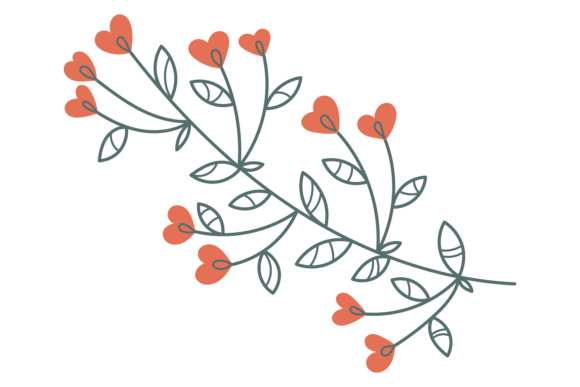
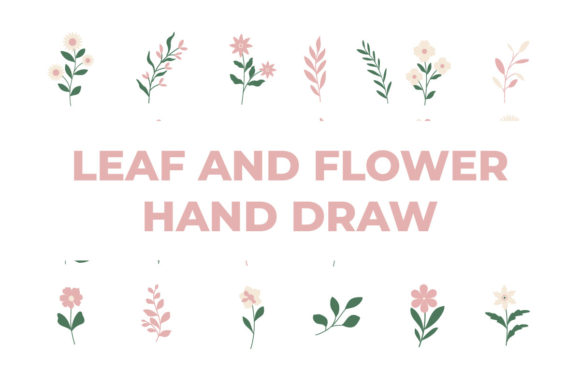
When you first open the zip file containing the Collection of Natural Flowers, the immediate feeling is one of organic elegance. The hand-drawn style creates a soft, approachable mood that feels authentic rather than manufactured. In a digital landscape often cluttered with rigid vector shapes and stock photography, these beautiful leaf and flower sketches offer a breath of fresh air. They communicate warmth, care, and a connection to nature, which is essential for brands focusing on wellness, lifestyle, handmade products, or sustainable goods.
This emotional tone is crucial for modern branding. It suggests that the business behind the brand values craftsmanship and authenticity. Whether you are creating editorial graphics, event flyers, or digital ads, these illustrations help establish an emotional connection with your audience. They do not feel like generic clipart; they feel like a curated part of a story. For content creators and bloggers looking to refresh their visual identity, this asset brings a sense of professionalism that elevates the entire campaign without looking messy or unprofessional.
Real-World Application: From Launch to Packaging
To understand the true value of this design bundle, let's look at a practical scenario. Imagine a small business owner preparing for a seasonal product launch. They need to update their website headers, create Instagram posts, design Pinterest pins, and print promotional banners. This is where Collection of Natural Flowers shines as a versatile tool for content marketing.
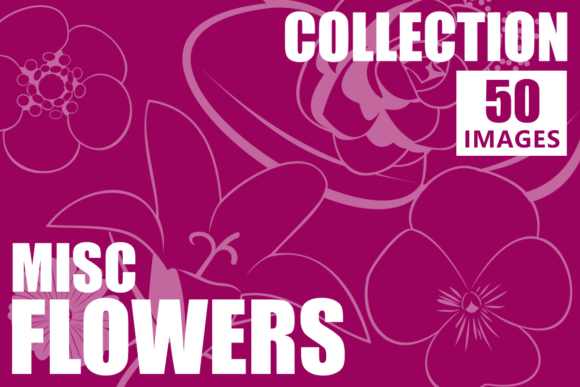
The inclusion of 25 pieces of SVG files and 25 transparent PNGs means you have the flexibility to scale these elements for any medium. For the website header, the SVG version allows for crisp scaling regardless of screen size, ensuring the visual hierarchy remains clear. On Instagram, the transparent PNGs integrate seamlessly into photo collages, acting as decorative brand elements that frame the text without overpowering it. When designing packaging inserts or product labels, these illustrations add a layer of sophistication that enhances product presentation.
I also tested these assets for use in Canva templates and printable promotions. Because the lines are clean and the details are distinct, they work beautifully as overlays on top of images or as standalone backgrounds. This versatility makes them a strong choice for digital sellers creating resources for other entrepreneurs. They support a wide range of needs, from lead magnets and media kits to merchandise designs and stickers, proving that this is more than just a collection of images—it is a comprehensive toolkit for brand identity development.
Supporting Marketing Goals and Visual Consistency
In the world of small business branding, consistency is key to building audience trust. A disjointed visual strategy can confuse customers and dilute brand recognition. By using a unified set of illustrations like this, you ensure that your message is delivered with clarity and impact. These natural flowers and leaves provide a consistent visual language that ties together disparate marketing channels.
When used correctly, these assets contribute to a stronger first impression. They guide the viewer's eye through the content, creating a better visual hierarchy that highlights your most important information. For example, placing a delicate flower sketch near a call-to-action button can draw attention without being aggressive. This subtle guidance improves engagement rates and makes your campaign visuals more memorable. Furthermore, the high-quality rendering of these graphics ensures a professional appearance, which is vital for converting casual browsers into loyal customers.
Strategic Placement: Where These Assets Shine
While these illustrations are incredibly flexible, they perform best in specific contexts. Hero graphics and campaign headers benefit greatly from the organic flow of the sketches, adding depth to otherwise flat layouts. They are excellent for branded templates, allowing you to quickly generate social media covers that maintain a premium feel. For editorial design, such as blog graphics or newsletter headers, these elements add character and personality that standard fonts cannot achieve.
Packaging accents are another area where this asset excels. A simple product box can be transformed into a luxury item with the addition of a tasteful floral border or corner accent. Similarly, for digital product visuals, these graphics help differentiate your offerings in a crowded marketplace. They are perfect for creating content bundles or promotional banners where a touch of nature can soften the commercial tone and invite interaction.
Where to Exercise Caution and Consider Limitations
Even the best design assets require strategic application. While Collection of Natural Flowers is versatile, there are scenarios where it might not be the ideal choice. For formal corporate branding, especially in industries like finance or law, the hand-drawn aesthetic might feel too casual or whimsical. In dense information layouts, such as complex data dashboards or technical manuals, these illustrations could compete with the main message rather than supporting it.
Additionally, when working on small mobile graphics or low-contrast backgrounds, the fine details of the sketches may get lost. If your background is too busy, the transparency of the PNGs might not blend as intended, leading to a cluttered look. Brands with an overly minimal aesthetic might find the detailed lines of these sketches too ornate. It is also important to avoid using them in text-heavy ads where they might distract from the copy. Always ensure the design serves the message, not the other way around.
Practical Designer Notes for Implementation
Before deploying these graphics in a paid campaign or client work, I recommend following a few critical steps to ensure success. First, test the asset with your existing brand color palette. Does the black-and-white sketch complement your colors, or does it clash? You may need to recolor the SVG files to match your specific hex codes for a seamless look.
Next, preview the graphics on mobile screens. Ensure that the resolution holds up and that the details remain visible when scaled down. Check readability in small sizes, particularly if you plan to overlay text directly on the illustrations. Comparing your work against competitor visuals will also help you gauge if these assets give you a unique edge or if they blend in too much.
Typography pairing is another crucial factor. These hand-drawn sketches pair exceptionally well with serif fonts for a classic, editorial look, or with script and handwritten fonts for a personal, artisanal vibe. However, be cautious when combining them with heavy display fonts, as the combination can become visually overwhelming. Finally, always review your spacing and balance to ensure the illustrations do not crowd the content. Most importantly, confirm your commercial license before using these assets in any business branding or monetized projects to protect yourself and your clients.
In conclusion, Collection of Natural Flowers is a robust digital product that offers significant value for anyone looking to elevate their visual communication. Its ability to bridge the gap between professional branding and creative expression makes it a standout choice for designers, marketers, and entrepreneurs alike. By understanding its strengths and limitations, you can harness its potential to create campaigns that are not only beautiful but also effective in driving results.