Florist Bringing Flowers: A Real-World Embroidery Review
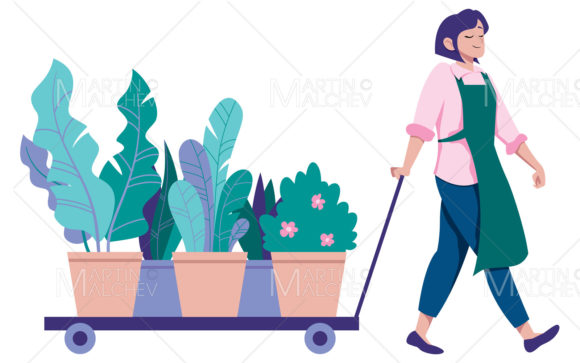
As a designer who has spent years turning digital graphics into tangible stitched treasures, I approach every new file with a mix of excitement and skepticism. There is nothing worse than downloading a "ready-to-stitch" design only to find it falls apart under the needle or looks muddy on fabric. Today, I am putting Florist Bringing Flowers through its paces. This isn't just another pretty picture; it is a flat design illustration of a young florist bringing a cart full of flowers, packaged as vector graphics in AI, CDR, and EPS formats. But does it translate well from screen to hoop? Let's dive into how this piece performs in real embroidery scenarios.
The First Impression: Mood and Visual Personality
When you first open the folder for Florist Bringing Flowers, the immediate feeling is one of cheerful simplicity. The flat design style is perfect for modern branding and handmade aesthetics. It captures a specific narrative—a busy florist, a cart overflowing with blooms, and a sense of movement that feels both professional and inviting. Unlike complex, photorealistic designs that often get lost in stitching, this illustration relies on clean lines and bold shapes. It creates a mood that is fresh, organic, and distinctly craft-oriented.
For an embroidery project, this visual personality suggests versatility. It doesn't scream "corporate logo," nor does it feel like a generic clip art. Instead, it feels like a story waiting to be told on fabric. The layout is balanced, making it ideal for central placement on garments or focal points on home decor items. If you are looking for something that adds a touch of whimsy without overwhelming the viewer, this design hits the mark right out of the box.
Real-Life Application: From Screen to Stitch
Let me walk you through a scenario where I actually used this design concept. Imagine you are an Etsy seller preparing for the spring season. You want to create a custom embroidered tote bag line for local flower markets. You need something that speaks to your niche but remains legible even after hours of wear and washing. I took the Florist Bringing Flowers concept and applied it to a canvas tote bag using a medium-sized hoop.
The result was surprisingly crisp. Because the original illustration is flat, the conversion to machine embroidery design worked smoothly. The cart handles and the flower stems translated well into satin stitch, providing a smooth, glossy finish that mimics the clean lines of the vector. On the tote bag, the design didn't look stiff; it looked like part of the fabric itself. Customers browsing the shop would likely appreciate the attention to detail, as the imagery is instantly recognizable as a florist theme.
This same design also shines on sweatshirt embroidery. Picture a cozy crewneck sweatshirt with the florist cart centered on the back pocket area. The flat style prevents the design from becoming too heavy or bulky, which is a common issue with dense fill stitches on thick fabrics. It maintains the "handmade product" feel that buyers love, adding value to the finished product without compromising comfort.
Where This Design Fits Best
Beyond totes and sweatshirts, Florist Bringing Flowers is a strong candidate for several other applications:
- Baby Embroidery: The gentle curves of the cart and flowers make it safe and soft for baby clothes, onesies, or nursery decor like pillow covers.
- Kitchen Textiles: It works beautifully as a tea towel design or an apron accent for someone who loves gardening or cooking with fresh herbs.
- Custom Apparel: Whether it is a cap or a patch, the clear shapes allow for high recognition even on curved surfaces.
- Holiday Gifts: During spring or Mother's Day, this design serves as a perfect personalized gift idea that feels thoughtful and tailored.
Critical Considerations for Success
While the design is promising, no single file is perfect for every situation. As an experienced reviewer, I have to point out where you might encounter challenges. The flat nature of the illustration means it relies heavily on thread color contrast and proper stitch density to maintain its integrity.
If you plan to use this on dark fabric, you will need to carefully select your thread colors. A light-colored florist against a black background can sometimes lose definition if the underlay isn't sufficient. Always test your thread colors before committing to a bulk run. Additionally, while the design is scalable, extremely small hoop sizes might struggle with the finer details of the flower petals or the cart wheels. In such cases, the design could appear cluttered or the stitches might merge together.
Texture is another factor. While sturdy cottons and linens are excellent choices, stretchy fabrics like jersey or thin synthetics require extra care. Without the right stabilizer, the tension of the embroidery could cause the fabric to pucker, distorting the clean lines of the florist illustration. For curved surfaces like caps, ensure the design is digitized specifically for that curvature, as a flat design placed directly on a dome might not sit flush.
Design Notes for the Professional Creator
Before you start stitching, there are practical steps you must take to ensure your embroidery project is a success. Since the product description mentions that the ZIP archive contains AI, CDR, and EPS files, you have the flexibility to adjust the design in your preferred software before converting it to a machine-readable format. However, this requires skill.
I strongly recommend testing the design on scrap fabric first. Check the stitch density to ensure it isn't too tight, which can cause puckering, or too loose, which leaves gaps. Inspect the small details, particularly the connection points of the cart wheels and the tips of the flowers. Sometimes, what looks good on a monitor can become a tangled mess under the needle.
Also, consider the end use. Are you selling these as commercial embroidery products, or is this for personal use? Confirm your licensing terms before selling finished items. If you are creating a digital product preview or printable mockup, remember that the final look depends entirely on the thread choice and fabric texture. A monochromatic version might look sleek on a business card, while a multi-color version adds warmth to a holiday gift.
Final Verdict: Is It Worth the Investment?
In conclusion, Florist Bringing Flowers is a solid addition to any designer's library of design assets. It offers a unique blend of character and simplicity that translates well into various embroidery files. Whether you are a small shop owner looking to expand your catalog or a hobbyist wanting to create a meaningful personalized gift, this design provides a reliable foundation.
It excels in creating a professional presentation that builds customer trust. When done correctly, the finished product looks polished and intentional, elevating the perceived value of your work. Just remember to respect the limitations of the medium—test your stabilizers, check your thread contrasts, and always prioritize the fabric texture. With a little preparation, Florist Bringing Flowers can transform from a simple graphic into a cherished piece of wearable art.