Flowers and Potted Plant House Gardening Graphics
When I first opened the ZIP file for Flowers and Potted Plant House Gardening, I immediately thought of a specific project: a local artisanal soap shop called "Root & Bloom." The owner wanted to move away from generic, sterile packaging and create something that felt alive, organic, and deeply connected to nature. This graphic design asset is not just a collection of clipart; it is a mood setter. It creates an atmosphere of lush tranquility, suggesting a brand personality that is friendly, handmade, and grounded in the earth. For small business owners looking to inject warmth into their visual identity, these illustrations offer a premium yet approachable aesthetic that bridges the gap between rustic charm and modern botanical elegance.
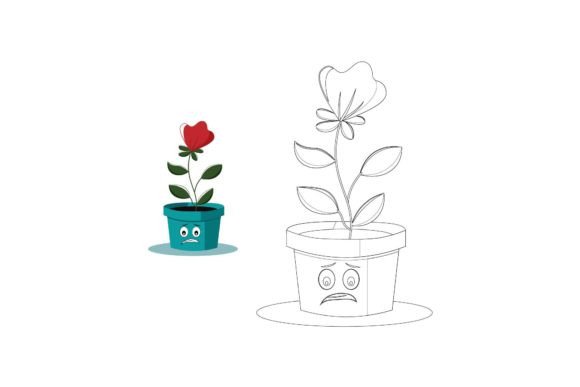
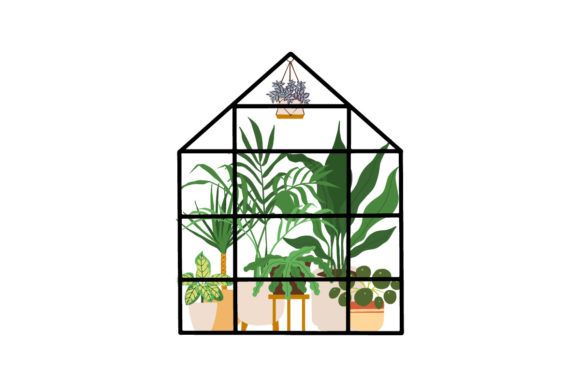
The core strength of this asset lies in its versatility across various applications. The inclusion of a planting greenhouse, glass orangery, and hanging greenery provides a rich narrative context. Imagine applying these visuals to product labels for a candle line or using the potted plants as decorative accents on a boutique store's promotional flyers. The design suggests a brand that cares about growth, care, and natural ingredients. Whether you are a food business creating a label for organic jam, a skincare brand highlighting plant-based formulas, or a florist promoting seasonal bouquets, the Plants hanging on ropes, growing greenery in pots imagery offers a cohesive visual language. It transforms standard commercial design into a story-driven experience that resonates with customers seeking authenticity.
Elevating Packaging Design and Product Labels
In the realm of physical products, shelf appeal is everything. A well-designed package does more than hold a product; it communicates value before the customer even reads the text. Using Flowers and Potted Plant House Gardening for packaging design can significantly enhance this first impression. The detailed illustration of a botanical garden greenhouse works exceptionally well as a background element or a border for product labels. It frames the product name and ingredients without overwhelming them, provided you manage the visual hierarchy correctly.
For a handmade business selling soaps, lotions, or baked goods, these graphics can serve as hero elements on the front of the box or as subtle patterns on hang tags. The EPS format ensures that the lines remain crisp whether you are printing a massive storefront banner or a tiny sticker on a jar lid. When integrated into a professional branding strategy, these illustrations help build stronger emotional connections with your audience. They signal that the product inside is crafted with care, much like the plants depicted in the art. This level of detail fosters improved customer trust, as buyers often associate high-quality imagery with high-quality contents.
Strategic Applications for Local Branding
Beyond physical packaging, these digital assets are invaluable for marketing visuals. Consider a coffee shop launching a new spring blend. You could use the hanging greenery illustration for a social media graphic announcing the launch, or perhaps as a decorative element on a price list menu. The versatility extends to printable inserts included in shipping boxes, thank-you cards for loyal clients, and even website banners that welcome visitors to your online store. By maintaining consistency across these touchpoints, you establish a clearer visual hierarchy and a more polished marketing presence.
For creative entrepreneurs managing multiple channels, having access to both JPG and vector formats is crucial. The ability to scale the Planting greenhouse. Glass orangery imagery allows you to adapt the same design for a large poster at a farmers market and a small icon on an Instagram story. This flexibility supports better product recognition, ensuring that your brand feels unified whether seen on a screen or in print. Furthermore, when used alongside appropriate typography, these illustrations can elevate editorial design projects, such as lookbooks or seasonal campaign brochures, giving them a sophisticated, curated feel.
Navigating Design Challenges and Best Practices
While the potential of Flowers and Potted Plant House Gardening is immense, an experienced designer knows that context is king. There are specific scenarios where this asset should be used with caution. If you are working on a formal corporate branding project for a law firm or a financial institution, the playful, organic nature of these illustrations might clash with the desired serious tone. Similarly, for luxury minimalist brands that rely on negative space and stark simplicity, a dense botanical scene could feel too busy and detract from the premium message.
Technical considerations are equally important. When placing these graphics on crowded product packaging or ingredient-heavy layouts, ensure there is enough breathing room. The visual weight of the hanging plants and greenhouse structure needs to complement the text, not compete with it. Avoid using the asset on low-contrast backgrounds where the details might get lost. Always test the design in black and white to check if the composition holds up without relying on color. Additionally, preview the image on small labels to ensure that fine details do not blur during the printing process.
Essential Designer Notes for Implementation
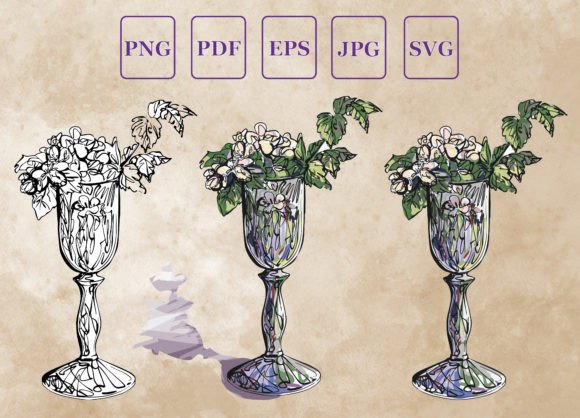
To maximize the impact of this graphic design asset, I recommend a rigorous testing phase. Start by creating a product mockup to see how the illustration looks on your actual packaging materials. Does the greenery look vibrant against the cardboard? How does it pair with your chosen font? I suggest comparing the asset with competitor packaging to ensure your brand stands out rather than blending in. If you are using a Canva template or similar tool, verify that the PNG transparency is clean and that the SVG design remains editable for future adjustments.
Typography pairing is another critical step. Test the illustration beside serif fonts for a classic, elegant look, or try sans-serif fonts for a modern, clean aesthetic. Handwritten fonts can add a personal touch, while display fonts might work for bold headlines. However, always confirm the commercial license before using these design assets for client work, business branding, or physical product sales. Ensuring you have the right permissions protects your small business from legal issues and allows you to focus on what matters most: building a strong brand identity.
Ultimately, Flowers and Potted Plant House Gardening is more than just a set of illustrations; it is a tool for storytelling. Whether you are a local business owner, a marketer, or a packaging designer, integrating these graphics can transform your visual presentation. From improving shelf appeal to strengthening your online presence, the right design asset can make all the difference. By carefully considering where and how to apply these elements, you can create a cohesive, professional, and emotionally resonant brand that truly reflects the heart of your business.