Meadow Flowers in Green Grass. Horizonta Review
When I first opened the file for Meadow Flowers in Green Grass. Horizonta, I didn't just see a pretty image; I immediately started thinking about how it would translate from a digital vector into actual thread on fabric. As someone who has spent years reviewing design assets and running a small embroidery shop, I know that the difference between a good-looking mockup and a successful finished product often comes down to practical execution. This horizontal seamless border is exactly the kind of asset that can elevate a simple item into something special, but only if you understand its strengths and limitations before hitting the "stitch" button.
The First Impression: Mood and Layout
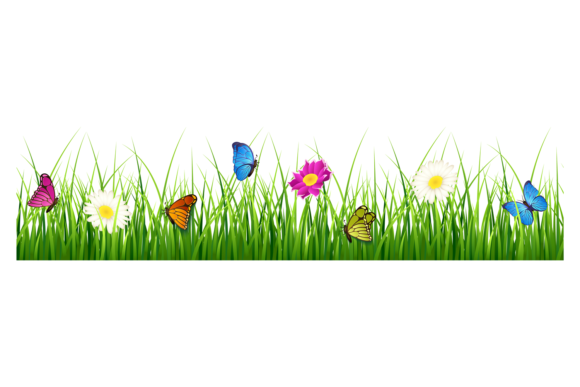
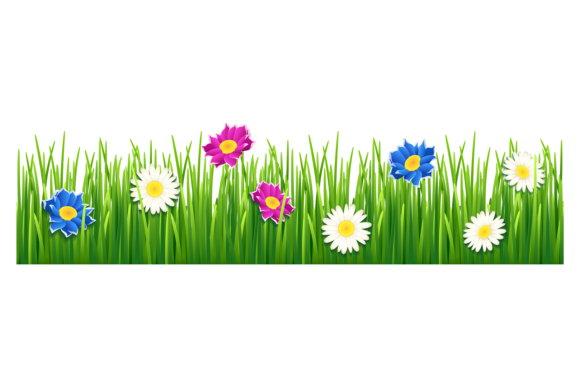
The moment you look at this illustration, the mood is undeniably fresh and organic. It captures that specific feeling of walking through a meadow where wildflowers are scattered naturally among tall green grass. The horizontal layout is the standout feature here. Unlike a central medallion or a vertical stack, this design screams versatility. It feels like a ribbon of nature, perfect for framing an area rather than dominating a space. For designers looking for design assets that offer flexibility without overwhelming a garment, this is a strong contender.
The visual personality is light and airy, which suggests it works best with softer fabrics and lighter color palettes. It doesn't feel heavy or dense, which is a relief because heavy stitch density can sometimes make a delicate floral theme look muddy when stitched. The seamless nature of the border implies that it could be used to create continuous patterns or simply as a decorative edge on a variety of items. It feels ready to be part of a larger collection, perhaps for a spring line or a summer boutique collection.
Real-World Application: A Case Study
To really test the potential of Meadow Flowers in Green Grass. Horizonta, let's imagine a real-life scenario. Suppose you are preparing a custom embroidered tote bag for a local craft fair. You want something that looks professional but also has that handmade charm that customers love. You decide to use this design as a border along the bottom hem of a natural canvas tote.
In this context, the horizontal flow of the design guides the eye across the width of the bag, creating a sense of continuity. When stitched, the green grass elements would provide a grounding base, while the flowers add pops of color that catch the light. If you were making a baby item, like a receiving blanket or a onesie, this design would work beautifully as a side panel or a cuff detail. The gentle curves of the grass suggest movement, which adds life to a static piece of clothing.
I also envision this design being used on kitchen towels or aprons for a home goods shop. The horizontal orientation fits perfectly on the pocket of an apron or the top edge of a tea towel. It transforms a utilitarian item into a gift-worthy piece. For an Etsy seller, this kind of versatile embroidery project allows you to create a cohesive brand identity across different products without needing a dozen different designs. One file becomes the signature look for your entire line.
Performance on Different Fabrics and Garments
While the concept is sound, the execution depends heavily on the materials you choose. This embroidery file performs exceptionally well on stable, woven fabrics like cotton poplin, denim, or linen. These surfaces allow the stitches to lay flat and maintain the crispness of the vector lines. However, there are situations where you need to be cautious.
If you plan to use this on stretchy fabric, such as a t-shirt jersey or a sweatshirt knit, you must use the proper stabilizer. Without adequate backing, the tension of the satin stitch or fill stitch could cause the fabric to pucker, ruining the clean look of the grass blades. Similarly, on dark fabrics, the contrast might be lost unless you select bright, high-contrast thread colors. A light green grass on a navy shirt might disappear, so testing your thread colors against your fabric swatch is non-negotiable.
For curved surfaces like caps or hats, the horizontal layout presents a challenge. While it can be adapted, the straight lines of a seamless border might not follow the curve of a hat crown perfectly. In these cases, you might need to adjust the placement or consider using a smaller section of the design rather than the full length. It is less ideal for tiny lettering areas or detailed corners where the intricate flower details might get lost in the stitching process.
Stitch Density and Detail Clarity
One of the most critical aspects of any machine embroidery design is stitch density. Since this is a vector illustration converted for stitching, you need to verify how the software interprets the fine lines of the grass. If the density is too high, the fabric will become stiff and difficult to wear. If it is too low, the design may look sparse and unfinished. I recommend inspecting the small details in your digitizing software before starting a production run.
The design relies on the interplay between the running stitch for outlines and fill stitches for the body of the flowers. On textured fabrics, like a chunky wool sweater, the definition of the flowers might soften, which could actually be desirable for a rustic look. Conversely, on smooth silk or satin, the design needs to be precise to avoid snagging. Always check whether the design works for both personal and commercial projects by reviewing the specific licensing terms provided with the download.
Practical Tips for Success
Before you commit to a full batch of handmade products, take these steps to ensure your final result matches your vision. First, test the design on scrap fabric that matches the weight and texture of your final project. This helps you gauge the stability required and the amount of hoop size needed to keep the fabric taut.
Review the stitch density settings in your machine. If the design includes large fill areas, consider breaking them up or adjusting the underlay to prevent puckering. Use a proper stabilizer—cut-away for stretchy fabrics and tear-away for wovens—to support the structure of the embroidered patch or apparel. Don't forget to test it in black and white mockups to ensure the contrast holds up even without color.
Also, consider the end-user experience. Will the customer wash the item frequently? If so, ensure the stitches are secure enough to withstand washing without fraying. For a commercial embroidery business, consistency is key. If you are selling this as a digital embroidery file or using it to create printable mockups for your shop, make sure the resolution is high enough to show the detail clearly on screen.
Final Thoughts on Value and Appeal
Meadow Flowers in Green Grass. Horizonta brings a touch of nature to any finished product. It creates a sense of trust and professionalism because it looks intentional and well-crafted. Customers appreciate designs that tell a story, and this meadow theme evokes feelings of peace and growth. Whether you are a hobbyist making a personalized gift for a friend or a small shop owner expanding your inventory, this design offers a solid foundation for creativity.
It is important to remember that while the digital file is a graphics asset, its true value lies in how it translates to thread. By paying attention to fabric choice, stabilizer type, and stitch settings, you can turn this vector illustration into a stunning piece of wearable art. Just remember to check the specific file formats—EPS, JPG, SVG, transparent PNG—and ensure they match your workflow requirements. With a little preparation, this horizontal border can become a staple in your creative toolkit.