Planting Greenhouse Glass Orangery Graphics and Illustrations Review
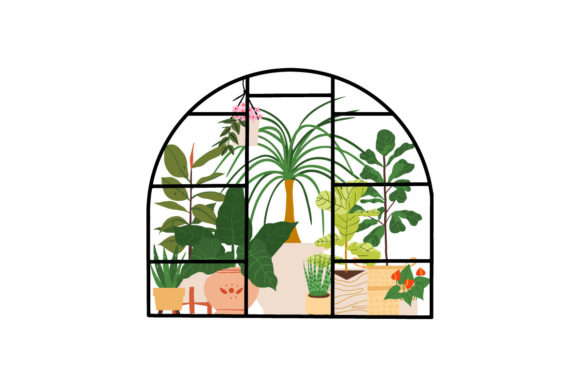
When I receive a brief for a client in the botanical, wellness, or artisanal home goods space, the visual direction is almost always rooted in authenticity and organic texture. Recently, I was tasked with developing a brand identity and product line for a boutique indoor gardening startup called "Root & Vine." The challenge was to create marketing visuals that felt lush and inviting without appearing cluttered or overly digital. This is where I evaluated Planting Greenhouse Glass Orangery, a design asset described as a botanical garden greenhouse illustration featuring flowers, potted plants, and greenery hanging on ropes.
As a professional graphic designer, I do not look at assets merely as images; I evaluate them as components of a larger visual system. My first impression of this ZIP file containing EPS and JPG formats was positive. The illustration captures the essence of a modern glass orangery—a structure that bridges the gap between interior comfort and outdoor nature. The mood it creates is one of tranquility, growth, and curated elegance. It does not scream for attention like a bold pop-art graphic; instead, it whispers, offering a sophisticated backdrop that allows other elements, such as typography or product photography, to take center stage. For a small business branding project focused on plant care tools or organic fertilizers, this asset provides an immediate emotional connection to the hobbyist audience.
Visual Mood and Design Direction
The style of Planting Greenhouse Glass Orangery leans towards a contemporary illustrative aesthetic. It avoids the stiffness of rigid architectural drawings while maintaining enough structural clarity to be recognizable as a greenhouse. The inclusion of plants hanging on ropes and growing greenery in pots adds layers of depth and movement. In my experience, static illustrations can sometimes feel flat, but the arrangement of these botanical elements suggests a living, breathing environment. This makes it particularly effective for editorial design and web design contexts where storytelling is key.
For a handmade business or a creative marketplace seller, this asset helps establish a specific niche immediately. It signals to the viewer that the brand cares about aesthetics and detail. When used in social media graphics, such as Instagram posts or Pinterest pins, the lush greenery against the clean lines of the glass structure creates a high-contrast visual interest that stops the scroll. It fits naturally into seasonal campaigns, particularly for spring launches or summer gardening guides, enhancing the overall visual mood of freshness and renewal.
Practical Application in Client Projects
In real-world design situations, versatility is paramount. I tested how this illustration performs across various mediums relevant to modern designers. For packaging design, the asset works beautifully as a large layout area element. Imagine a premium seed packet or a ceramic planter box; placing the greenhouse illustration on the front panel provides a rich, detailed focal point that elevates the perceived value of the product. It transforms a simple box into a piece of art, which is crucial for print-on-demand sellers looking to compete in crowded markets.
For logo design and brand identity, the asset serves best as a supporting graphic rather than a primary mark. However, extracting specific elements—such as a single hanging plant or a section of the glass roof—can create a unique sub-logo or watermark. This approach maintains brand consistency while allowing for flexibility. In marketing visuals, such as flyers or posters for local farmers' markets, the illustration anchors the composition. It provides a thematic frame that ties together text blocks and call-to-action buttons, ensuring the final result feels polished and cohesive.
Digital creators will find this asset valuable for Canva templates and digital ads. The vector nature of the EPS file allows for easy resizing without quality loss, meaning the same asset can be used for a website hero banner and a mobile-friendly email header. For Cricut users and crafters, the clean lines make it suitable for vinyl cutting projects, though the complexity of the hanging ropes may require careful weeding. It also translates well to sticker design and t-shirt design, where the vibrant greenery stands out against solid color backgrounds.
Optimal Placement and Usage
To get the most out of Planting Greenhouse Glass Orangery, consider its strengths in large-scale applications. It excels in:
- Hero Graphics: Full-width banners on websites or landing pages where the detail can be appreciated.
- Product Mockups: Overlaying the illustration on tote bags, mugs, or notebooks to visualize the end product.
- Decorative Accents: Using isolated elements to frame text or separate sections in long-form blog content.
- Themed Collections: Building a series of illustrations around the greenhouse theme for a complete campaign.
However, there are areas where this asset requires careful handling. In minimalist branding projects, the level of detail might clash with a strict "less is more" philosophy. Similarly, in crowded layouts with heavy text overlays, the intricate lines of the greenhouse could create visual noise, reducing readability. Low-contrast designs should be avoided; if the background is too similar in tone to the illustration, the graphic will disappear. Professional corporate materials that demand sterile, abstract visuals may also find this asset too whimsical or thematic.
Technical Considerations for Designers
Before integrating any design asset into a commercial project, rigorous testing is non-negotiable. With Planting Greenhouse Glass Orangery, I recommend starting by converting the image to black and white. This test reveals whether the composition holds up without the aid of color, highlighting potential issues with visual hierarchy. If the shape of the greenhouse becomes muddy when stripped of color, it may struggle to function as a standalone icon.
Contrast checking is equally vital. Preview the illustration on both light and dark backgrounds to ensure legibility. If using it for sublimation design or apparel, check how the greens interact with different fabric colors. A vibrant emerald green might pop on navy blue but get lost on olive drab. Furthermore, inspect the PNG transparency if included, ensuring there are no jagged edges or unwanted halos around the vector paths.
File format evaluation is another critical step. The inclusion of EPS files is a significant advantage for graphic designers, as it allows for full editability. You can adjust stroke weights, recolor elements to match a specific brand palette, and scale the artwork infinitely. Compare the asset with various font styles to ensure harmony. The organic curves of the hanging plants pair well with serif fonts for an elegant look or script fonts for a handwritten, personal touch. Conversely, pairing it with a rigid sans serif font might create a jarring contrast unless intentional juxtaposition is desired.
Always confirm the commercial license before using the asset for a client or business project. Understanding the terms of use protects you from legal issues and ensures you are paying for the appropriate level of usage rights. Whether you are creating an Etsy product, a digital download, or a physical good, knowing the boundaries of the license is part of professional integrity.
Final Verdict
Planting Greenhouse Glass Orangery is a robust graphic design asset that brings a sense of calm and natural beauty to any project. Its versatility across formats—from digital product creation to physical packaging—makes it a valuable addition to a designer’s toolkit. While it requires thoughtful placement to avoid visual clutter, its ability to enhance emotional appeal and audience engagement is undeniable. For brands aiming to communicate growth, sustainability, and home-centric warmth, this illustration delivers a polished, professional result that resonates with modern consumers. It is not just an image; it is a strategic tool for building a compelling visual narrative.