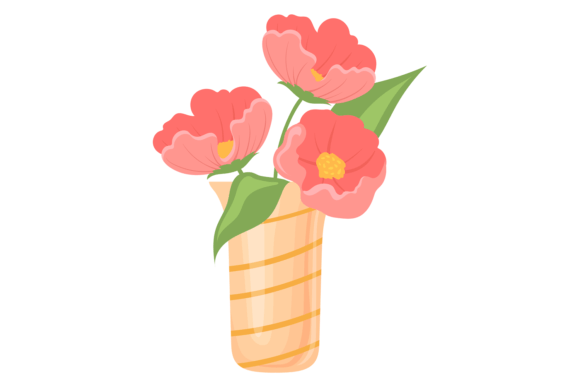
Red Poppies Bouquet: Flowers in Ceramic
As a designer who has stitched thousands of designs and reviewed countless digital assets for my own small business, I approach every new file with a mix of excitement and skepticism. You want something that looks great on the screen but translates perfectly into thread. Today, I am putting Red Poppies Bouquet. Flowers in Ceramic through the wringer to see if it belongs in your next embroidery project or if it should stay in the download folder.
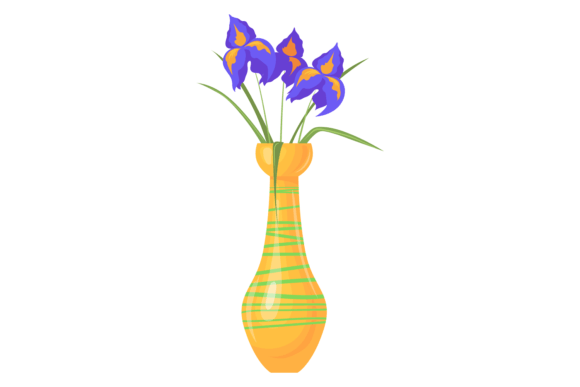
The first thing you notice about this design is its distinct personality. It is not a photorealistic attempt at a garden scene; instead, it leans into a charming cartoon aesthetic. The red poppies are bold and simplified, sitting comfortably inside a ceramic vase icon. This specific style creates an immediate mood of warmth and whimsy. It feels like a design meant for someone who loves handmade goods, perhaps a boutique owner looking for a signature logo or a crafter wanting to add a touch of cheer to a baby gift. The isolation on a white background means the shapes are clean, which is usually a good sign for digitization, but we need to look closer at how those curves will behave under a needle.
Real-World Application: From Screen to Stitch
I recently considered using this design for a custom tote bag line targeting Etsy shoppers. The concept was simple: a cheerful kitchen towel or a canvas tote featuring the Red Poppies Bouquet. Flowers in Ceramic as the central motif. When I visualized this on a light beige canvas, the vibrant reds would pop beautifully against the neutral fabric. The cartoon style fits perfectly with the current trend of "cottagecore" and homey decor that sells so well in the handmade market.
However, the real test is always in the execution. For a machine embroidery design to succeed on a tote bag, the stitch density must be manageable. If the fill stitches in the poppy petals are too dense, the fabric can pucker, ruining the crisp lines of the ceramic vase. Conversely, if they are too sparse, the colors might bleed into each other, losing the definition of the flower shape. This design relies heavily on clear outlines and solid color blocks, which suggests it works best with a satin stitch for the borders and a gentle fill for the petals. It would also translate well to an embroidered patch, where the clean edges define the shape clearly without needing complex shading.
Imagine applying this to a sweatshirt for a holiday gift. The graphic nature of the Red Poppies Bouquet. Flowers in Ceramic design ensures it won't get lost in the texture of fleece or cotton blends. It has a friendly, approachable vibe that customers respond to when buying personalized gifts. It tells a story of simplicity and joy, which is exactly what people look for when they buy a custom item from a small shop. Whether you are selling finished products or offering personalization services, this design offers a high perceived value because it looks professional yet accessible.
Where to Use Caution
Not every surface is a friend to this design. While the cartoon style is forgiving, there are specific scenarios where Red Poppies Bouquet. Flowers in Ceramic might struggle. If you are working with very thin fabrics like silk or lightweight polyester, the stabilizer requirements become critical. A design with even moderate fill density can cause puckering on these materials if you do not use a cut-away stabilizer correctly.
Stretchy fabrics present another challenge. On a knit cap or a stretchy t-shirt, the tension of the stitching can distort the circular elements of the ceramic vase. You must test the design on scrap fabric first to ensure the hoop size holds the material tight enough without distorting the shape. Furthermore, if you plan to place this on a dark fabric, the contrast is key. Since the original file shows the flowers on a white background, you will need to ensure your thread colors provide enough contrast against the dark base, or the red poppies might disappear into the fabric.
Detailed corners are another area to watch. If you decide to scale this down for a small project, like a baby bib or a small apron pocket, you might lose the definition of the vase rim. Tiny details often get swallowed up by the thread thickness. If the design includes fine lines around the ceramic texture, those could break up during the stitching process. Always inspect small details before committing to a large production run. It is better to have a slightly larger design on a product than a tiny, muddy one that lacks clarity.
Design Notes for the Professional Embroiderer
Before you start stitching, there are practical steps you must take to ensure your finished product meets your standards. First, review the stitch density. If the file is an applique design, check the placement of the tack-down stitches. If it is a standard embroidery file, verify the running stitch areas. Sometimes, files labeled as graphics contain hidden layers or unnecessary trims that can slow down your machine.
Thread color selection is vital for this specific bouquet. The red of the poppies needs to be rich and saturated. A dull red thread will make the cartoon look cheap, while a vibrant crimson will make it shine. Compare different thread brands to find the right sheen. Also, consider the background fabric. Testing the design in black and white mockups can help you visualize the contrast levels before you waste expensive fabric and thread.
If you are a craft business owner or an Etsy seller, you must confirm the licensing terms before selling any finished items. Does the purchase allow for commercial use? Can you sell unlimited quantities? These questions are crucial for protecting your small shop product line. Do not assume that a digital download automatically grants full rights. Check the documentation provided with the file to avoid legal issues later.
Finally, remember that this is a design asset, but the quality of your finished product depends on your technique. Use proper stabilizer, adjust your hoop size to fit the garment securely, and always run a test stitch on a scrap piece of the actual fabric you intend to use. This simple step can save you hours of rework and ensure that your Red Poppies Bouquet. Flowers in Ceramic design looks as polished as you intended.
In conclusion, this design has a lot of potential for makers and decorators who want to add a touch of floral charm to their projects. It is versatile enough for apparel, home decor, and accessories, provided you respect the limitations of the fabric and the machine. With careful planning and testing, it can be a standout element in your portfolio of handmade products.